
Step Four – Made a Searching and Fearless Moral Inventory of Ourselves
In Step Four we dig into past events to get at the root of what made and is keeping us, sick. We received a lot of early programming from before birth to about six years old, and we may not remember much further back than six or seven. If we look at the circumstances of our lives from an earlier time, we may loosen up some buried memories. I had forgotten most of my childhood and had a few sparse memories to start from. As I began to remember what I could, more memories came in and I was able to write more narratives in my inventory list. We don’t need to linger there too long. We’re not looking to blame; we only want to remember what happened so we can make sense of where negative beliefs came from and how they continued to affect us.
If we see a pattern from our past that made us feel we were not safe in the world, it begins to make sense why we made some damaging decisions for ourselves during our adult lives. Women who don’t feel safe tend to gravitate toward the “bad boy” to protect her, only to later turn on her and leave her the victim of his abuse. The child whose parents treat him as if everything he does is wonderful, and they teach him no boundaries or respect for others, will likely grow up to be narcissistic and abusive. We bring these patterns forward in life and we gravitate toward the characters that fill our needs as wounded individuals, oftentimes to our detriment. In our search for love and understanding, we get what we think we deserve subconsciously. We attract unhealthy relationships and continue to play out the same unhealthy patterns.
In Step Four we recognize our character defects by making a list with four columns of the following…
- The person or people involved (who is the object of my resentment, or who did I hurt)
- What happened (explain the situation that caused the resentment, guilt, shame, or fear)
- What did it hurt (my self-esteem, financial security, relational security, physical safety, ambition, etc.)
- What was your part in it (what was my role in the incident, what did I do to cause it, or if I wasn’t a participant, did I hold on to it?)
It may be helpful to make three different lists using three different categories: Resentments Inventory, Fear Inventory (guilt and shame), and Sex Inventory. The goal is to get everything and anything that you remember, or that causes a negative emotional reaction within you when you think about it. The more you don’t want to face a past event, the more it needs to be on the list. It’s best to take a few days to really focus on this process without distractions, if possible.

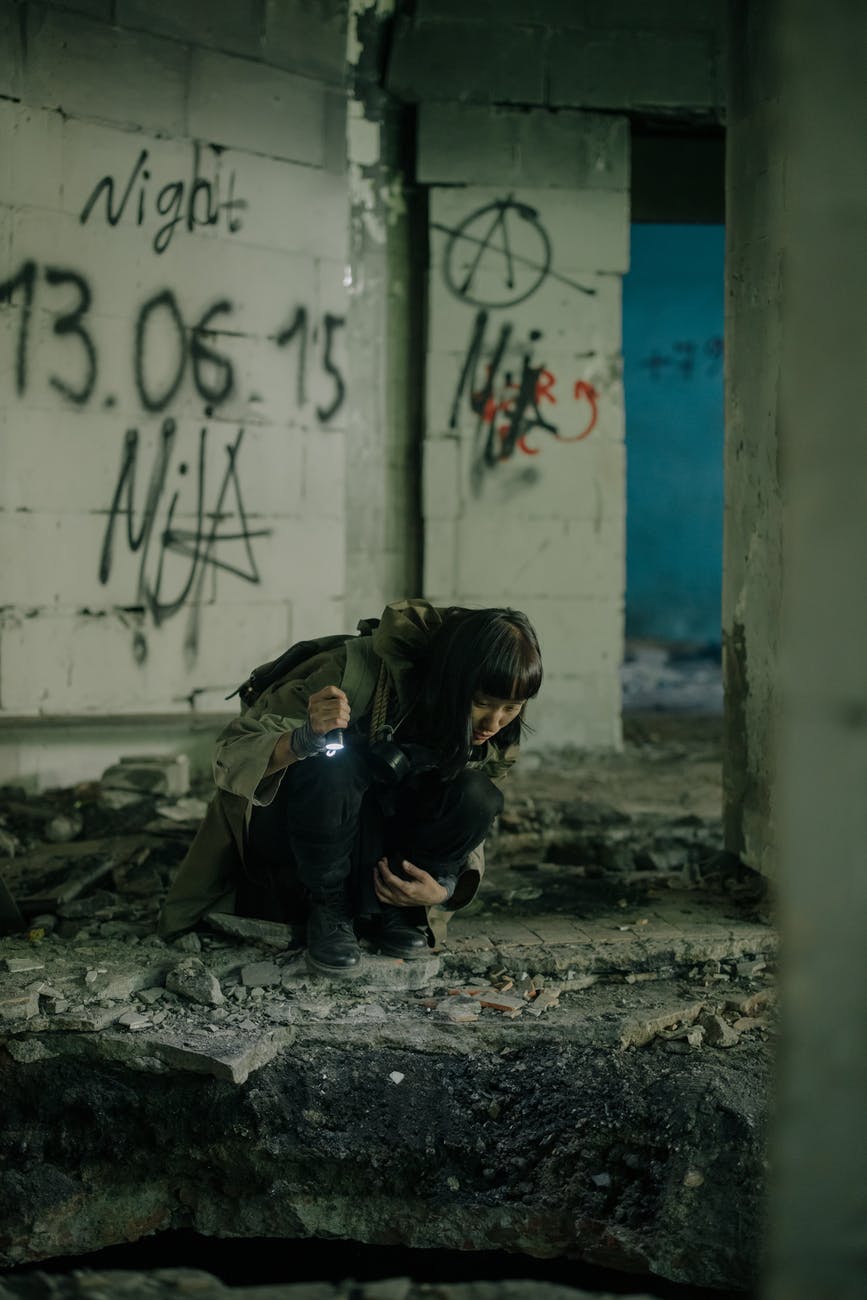
As we write down the things we don’t want to talk about, they loosen their grip on us. As in the Hero’s Journey, we go into the dark cave to slay our dragon. We don’t really know what awaits us inside the cave, but we know that by our taking a deep breath and entering in, we will find our inner truth, our salvation, our holy grail. We break down our emotional walls and begin to feel some understanding and compassion for ourselves. We may become angry at this stage, realizing the pain the past has been causing us and the time we had wasted in confusion. We didn’t deserve to be abused or to be the abuser. We embrace our feelings and move on to Step Five.
Discover more from Us In The Universe
Subscribe to get the latest posts sent to your email.

Leave a comment